Insider tips Stockwell removals near Stockwell Station
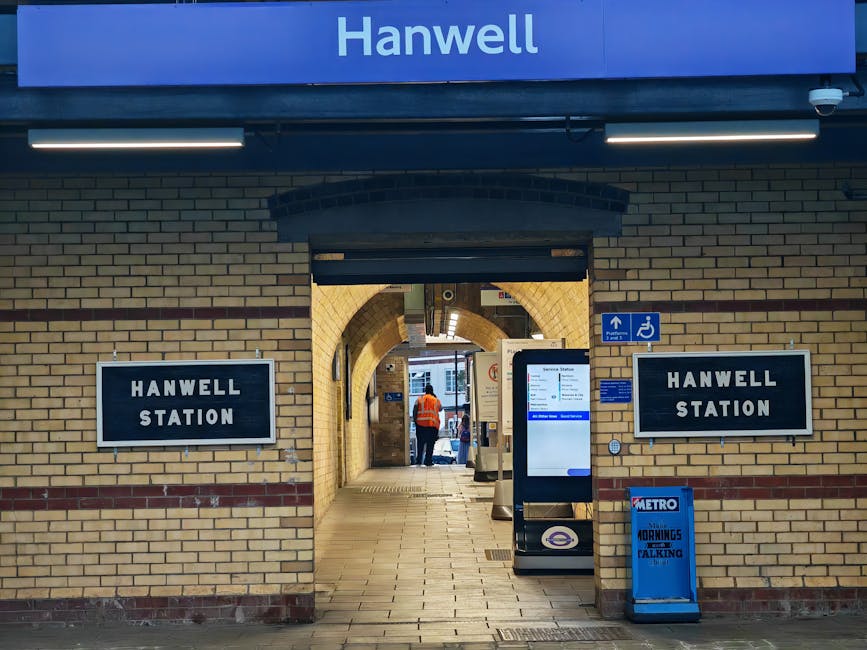
If you are planning a move around Stockwell Station, the difference between a smooth day and a stressful one usually comes down to timing, access, and preparation. That is the heart of Insider tips Stockwell removals near Stockwell Station: the small local details that save you time, money, and a lot of unnecessary lifting. A good move near the station is not just about a van turning up. It is about knowing when the roads are busy, how to handle tight stairwells, where delays tend to happen, and which moving options suit your property best.
In this guide, you will find practical, local, human advice that helps whether you are moving out of a compact flat, a family home, or a small office nearby. We will walk through what matters most, how the process typically works, the most common mistakes people make, and the options worth considering if you want the day to feel far less chaotic. Truth be told, Stockwell moves can be straightforward once the little things are handled properly.
Why Insider tips Stockwell removals near Stockwell Station Matters
Moving near a busy transport hub is a different animal from moving in a quiet suburban street. Around Stockwell Station, you often have to think about traffic flow, narrow windows for loading, flats above shops, shared entrances, and the simple fact that time is not always on your side. A van parked awkwardly for ten minutes can become a real problem. So can a missing parking plan, a lift that is smaller than expected, or a box packing method that looked fine at 8 a.m. and falls apart by lunchtime.
That is why local knowledge matters. The best removals are rarely the flashiest. They are the ones that respect the building, the street, and the clock. If you are comparing options, browsing removal services and checking removal companies can help you understand what is available, but the real advantage comes from matching the service to the actual conditions on the day.
Near Stockwell Station, the main risks usually come from the same few issues:
- tight access at the front door or in communal hallways
- parking pressure and short loading spaces
- stairs, small lifts, or awkward corners
- busy travel times that make delays more likely
- overpacked boxes that become hard to carry safely
There is also the emotional side. Moving day is noisy. Doors banging, tape tearing, the smell of cardboard, everyone looking for keys or bin bags. If you have ever moved with a kettle already packed away, you know the feeling. Small planning decisions can make a surprisingly big difference.
How Insider tips Stockwell removals near Stockwell Station Works
In practical terms, a good move near Stockwell Station starts before moving day. First, you identify what type of move you actually have. A one-bedroom flat, a shared house, a student move, a family relocation, or a business move all have different requirements. Then you decide how much help you need. Some people only need a man and van style solution. Others need full packing support, a larger team, or even a dedicated moving truck.
After that, the logistics come into focus. You work out access, estimate load size, decide whether you need storage, and set a time that reduces disruption. For example, if you live in a flat with narrow stairs and no lift, a smaller, more flexible vehicle may be smarter than trying to overdo it with one huge load. If you are clearing an office, the plan may lean towards coordinated timing, labels, and a stronger focus on downtime reduction. In some cases, office removals or commercial moves are the better fit.
The process normally follows a simple rhythm:
- Assess the property and belongings.
- Choose the right moving option.
- Pack with room for handling and safety.
- Confirm access details and timings.
- Move, unload, and place items sensibly in the new space.
That sounds basic, but the devil is in the detail. A move can look effortless when the front-end planning has been done properly. The team arrives, the bags are ready, the fragile items are labelled, and nobody is trying to jam a sofa through a doorway it clearly hates. Nice work all round, really.
Key Benefits and Practical Advantages
When the move is planned well, you get more than just less stress. You get control. You know what is happening, when it is happening, and who is doing what. That matters especially in a busy area where a ten-minute delay can ripple through the rest of the day.
- Faster loading and unloading: good packing and a sensible van choice cut down on wasted back-and-forth.
- Lower damage risk: less squeezing, less rushing, and fewer improvised fixes with tape and hope.
- Better value: the right size of service is often cheaper than paying for unnecessary capacity.
- Less disruption: neighbours, building managers, and your own schedule are easier to manage.
- Improved safety: fewer heavy-lift mistakes, fewer trips, and fewer broken items.
One of the most overlooked benefits is mental clarity. Once the boxes are labelled and the route is planned, you stop feeling as if the move is running you. That is worth a lot. If you need packing help, it can be worth looking at packing and boxes or full packing and unpacking services so the fragile things and awkward items are handled properly from the start.
For many households, the big win is simply avoiding the false economy of trying to do too much in one go. Two careful trips can beat one chaotic one. Not glamorous, but effective.
Who This Is For and When It Makes Sense
This kind of advice helps almost anyone moving around Stockwell Station, but it is especially useful for people dealing with limited access or limited time. Let's be honest, those are the two things that cause the most headaches.
- Flat movers: ideal if you live in a top-floor apartment, a converted building, or a place with narrow staircases. Flat removals are often the most practical starting point.
- Home movers: useful for families and larger households needing a more structured plan. Home moves and house removals fit this type of move well.
- Students: if the move is smaller and timing is tight, student removals can be a neat, efficient solution.
- Office teams: if you need to move desks, files, or IT equipment, specialist office relocation services are often the sensible choice.
- People in transition: if you need short-term holding space, storage may make the whole move easier.
It also makes sense if you are trying to coordinate movers with a property handover, cleaning slot, or key collection. In those situations, a small timing mistake can snowball. A calm, organised move is not a luxury; it is usually the cheapest way to avoid preventable hassle.
Step-by-Step Guidance
Here is a practical route that works well for moves near Stockwell Station. It is not fancy, but it is reliable.
- List everything by room. Keep it rough if you need to. The point is to see the shape of the move.
- Measure the awkward stuff. Wardrobes, beds, sofas, mirrors, big monitors. If it looks tight, it probably is.
- Confirm access. Think about stairs, lifts, entrance codes, loading points, and whether there is space for the vehicle.
- Choose the right help. A flexible man with a van or a larger removal option may suit different stages of the same move.
- Pack with logic. Heavy items low, fragile items cushioned, each box labelled with the room and a broad category.
- Protect the essentials. Keep documents, keys, chargers, medication, and snacks with you. You will thank yourself later.
- Schedule around pressure points. If possible, avoid the most awkward traffic windows and avoid leaving everything for one impossible hour.
- Unpack in the right order. Bedroom basics, kettle, toiletries, then the rest. Comfort first. Decorative candles can wait.
A small but useful tip: pack one "first night" bag per person. It sounds obvious until you are hunting for toothbrushes at 11:30 p.m. and discovering they are somewhere under a pile of bedding. Happens all the time.
Expert Tips for Better Results
Here is where the insider part really matters. Local moves often go smoother because someone has taken the time to think like the street, not just like the spreadsheet.
- Keep boxes under control. A box should be easy to lift, not a heroic test of character. If it feels like a brick, it is too full.
- Use colour coding. Even simple coloured tape can help the unloading team know what goes where.
- Book the right vehicle size. Too small means delays; too large can be awkward in tight access areas.
- Ask about insurance and safety. For peace of mind, check a provider's insurance and safety approach before the day arrives.
- Plan for furniture you no longer want. If something is not worth moving, arrange furniture removals or furniture pick up rather than paying to transport clutter.
- Keep hallways clear. It speeds things up and reduces the chance of knocks and scrapes.
- Tell neighbours or building management early. A quick heads-up can prevent complaints or access confusion.
Another point that gets missed: if your move is on a Friday evening, Sunday, or the first/last day of a tenancy cycle, expect more pressure. If your schedule is flexible, a midweek move often feels calmer. Not always possible, of course, but when it is, use it.
And a slightly human one: if you are moving with children, pets, or a housemate who is already frazzled, assign very small jobs. Tiny jobs. It helps everyone feel involved without tripping over each other.
Common Mistakes to Avoid
Most moving problems are predictable. That is the annoying part. The good news is you can usually dodge them with a little forethought.
- Guessing the load size: an optimistic estimate often means underbooking the help you need.
- Packing too late: last-minute packing leads to poor labelling and broken items.
- Ignoring parking realities: even a short distance from the building can slow everything down if there is no plan.
- Forgetting building rules: some properties have access restrictions, lift booking rules, or time limits.
- Mixing valuables with general items: keep passports, keys, jewellery, and important documents separate.
- Leaving dismantling too late: beds and bulky furniture take longer than people expect.
- Choosing a move type by name only: compare the actual fit, not just the label. A simple man with van arrangement may suit one job beautifully and be wrong for another.
There is also the classic mistake of assuming every item can be handled the same way. Piano? Different. Server cabinet? Different. Small lamp? Easy. That sounds obvious, but moving day tends to make people forget obvious things. Funny old business.
Tools, Resources and Recommendations
You do not need a van full of specialist gear for every move, but a few basic tools make life much easier. A move can go from manageable to messy very quickly if the right supplies are missing.
- Sturdy boxes: different sizes, not just one giant type.
- Packing tape and tape dispenser: saves time and helps box integrity.
- Markers and labels: for room names and priority items.
- Protective wrap or blankets: for glass, furniture edges, and awkward shapes.
- Furniture tools: screwdrivers, Allen keys, and zip bags for fixings.
- Loading straps or trolley help: useful where there is heavier furniture or longer carrying distance.
If you want more support, there are a few useful service paths on the site depending on what you are moving. You might look at removals for broader moving support, removal van for lighter loads, or removal truck hire when you need more capacity. For larger jobs, a dedicated truck can make the day less stop-start.
If a move is partly about clearing out, you may also want to explore furniture removals or recycling and sustainability so usable items are handled responsibly rather than just dumped in the middle of the stress. That is the sort of thing people appreciate after the dust settles.
Law, Compliance, Standards and Best Practice
For most household moves, the legal side is not complicated, but good practice still matters. If a mover is operating professionally in the UK, you should expect them to work safely, communicate clearly, handle belongings responsibly, and be transparent about terms and pricing. That is basic professionalism, not a bonus feature.
From a customer point of view, a few checks are sensible:
- Clear terms: know what is included and what might cost extra. The terms and conditions should be understandable, not something you need a magnifying glass and a cup of tea to decipher.
- Security and payments: make sure payment arrangements are clear and handled safely. The page on payment and security is worth checking.
- Insurance: confirm how damage or loss is handled and what preparation is expected from you.
- Health and safety: movers should use sensible lifting practices and keep routes as clear as possible. You can review the provider's health and safety policy.
If you are moving a business, the expectations can be a bit stricter simply because time, data, and equipment matter more. Commercial moves often need better scheduling, clearer labelling, and a plan for downtime. That is where a provider's process matters as much as its van size. For organisations, office removals and office relocation services can help keep disruption under control.
One final note: if you are comparing providers, look for clarity, not sales fluff. Good operators explain things simply. That is usually a strong sign.
Options, Methods, or Comparison Table
Choosing the right moving method near Stockwell Station usually comes down to property type, load size, access, and budget. Here is a simple comparison to help you think it through.
| Option | Best for | Strengths | Trade-offs |
|---|---|---|---|
| Man and van | Small flats, student moves, lighter loads | Flexible, often quick, good for shorter jobs | May not suit larger households or heavy furniture |
| Full removals | House moves, larger flats, full-service relocations | More capacity, more support, better for complex jobs | Usually more planning needed |
| Removal truck hire | Bulkier loads or moves needing extra space | Higher carrying capacity | Can be harder to park and position near busy streets |
| Storage plus move | Staged moves or temporary gaps between properties | Reduces pressure on move day | Requires extra coordination and planning |
If you are in a rush, the temptation is to pick the fastest-sounding option. But a slightly slower, better-matched service is often the cheaper and calmer choice in practice. It is one of those cases where "efficient" beats "impressive."
Case Study or Real-World Example
Here is a typical local scenario. A couple in a second-floor flat near Stockwell Station had a narrow staircase, a lift that could not take their sofa, and only a short loading window before morning traffic picked up. They were tempted to treat it as a quick one-van job. On paper, it sounded fine. In reality, not so much.
They split the move into three parts: fragile items packed the night before, bulky furniture dismantled in advance, and essentials kept in a separate bag. They also chose a smaller vehicle with enough flexibility for the street layout rather than forcing a large truck into an awkward spot. That saved time, and more importantly, avoided the nervous, rushed feeling that creeps in when everything is becoming a problem at once.
The biggest change came from labelling. One colour for kitchen, one for bedroom, one for essentials. Nothing fancy. Just enough structure to stop the team from asking where the kettle was three times in twenty minutes. The move still took effort, of course, but it felt controlled. That is usually the goal.
This kind of approach works well for anyone in a similar setting: compact properties, shared buildings, short access windows, or a move that has to happen without turning the whole day upside down. Simple, really. But not always easy unless you plan for it.
Practical Checklist
Use this checklist before your moving day. It is designed to catch the little things people often miss.
- Confirm the moving date and arrival window.
- Check access, parking, and lift arrangements.
- Measure large furniture and doors if needed.
- Choose the right moving option for your load size.
- Pack fragile items with plenty of cushioning.
- Label each box with room and priority.
- Keep keys, documents, chargers, and valuables separate.
- Prepare a first-night bag for each person.
- Dismantle bulky furniture in advance where possible.
- Tell neighbours or building management if appropriate.
- Set aside items for storage, disposal, or donation.
- Review pricing, terms, and safety information before booking, including pricing and quotes.
If that all sounds like a lot, fair enough. It is a lot. But the upside is that each item reduces friction on the day, and friction is what makes moves feel much harder than they need to be.
Get a free quote today and see how much you can save.
Conclusion
The best Insider tips Stockwell removals near Stockwell Station are rarely dramatic. They are practical, local, and a bit unglamorous: book the right size service, plan for access, pack with care, and keep the day simple wherever you can. That is what protects your time and your belongings.
Whether you need a small van for a lighter move, a fuller removals setup, or a more tailored approach for a flat, house, student, or office relocation, the key is to match the service to the reality of your property and the local streets. Around Stockwell Station, the local details matter. They really do.
And if you can get those details right, the whole day feels lighter. Less noise, less scrambling, less "where on earth did we put that box?" - and more of a steady, manageable process. A decent move, honestly, can feel like a small victory.
Frequently Asked Questions
What are the most useful insider tips for moving near Stockwell Station?
The most useful tips are to plan access early, choose the right vehicle size, pack boxes sensibly, and avoid leaving everything to the last minute. Local timing matters too, because busy roads and tight parking can slow things down fast.
Is a man and van service enough for a move in Stockwell?
It can be, especially for smaller flats, student moves, or lighter loads. If you have bulky furniture, multiple rooms, or tricky access, you may need something more structured than a simple van-only setup.
How do I know whether I need full removals or just transport help?
Think about volume, access, and how much lifting you want to do yourself. If your move includes stairs, dismantling, fragile items, or a larger household load, full removals support is usually more practical.
What should I do if my flat has a narrow staircase?
Measure the bulky furniture, dismantle what you can, and tell the movers about the access in advance. It may also help to choose a smaller vehicle or a team used to flat removals.
How early should I start packing?
Earlier than you think. A gentle start a week or two before the move is much better than a rushed final night. Begin with storage items and seasonal things, then work toward the daily essentials.
Can I book storage if my move dates do not line up?
Yes, storage is a sensible option when there is a gap between properties or you need to stage the move. It reduces pressure and gives you breathing space if completion dates shift.
What should I keep with me on moving day?
Keep valuables, documents, chargers, medication, keys, and a first-night bag with you. If you can avoid hunting for those things in a pile of boxes, you will save yourself a lot of irritation.
How can I avoid damage to furniture and boxes?
Use strong boxes, avoid overfilling them, wrap fragile items well, and dismantle larger furniture when possible. It also helps to label boxes clearly so they are not stacked in the wrong place or handled roughly.
Do I need to worry about insurance?
Yes, you should always check how the mover handles insurance and safety. It is a sensible part of choosing a provider, and it gives you a clearer view of what is covered if something unexpected happens.
Are office moves around Stockwell Station handled differently from home moves?
Usually, yes. Office moves often need tighter scheduling, better labelling, and more attention to downtime, equipment, and continuity. That is why specialist office removals can be a better fit than a general household move.
What is the best way to compare moving options?
Compare them on fit, not just price. Look at load size, access, timing, insurance, and whether the service suits your property type. A cheaper option is only cheaper if it actually works on the day.
Where should I start if I want to book a move near Stockwell?
Start by checking what kind of help you need, then review the available services and pricing guidance. If you want to speak to the team or confirm details, the most direct next step is to visit about us and then move on to the booking information that fits your situation.